
Supreme Court Immigration Decisions: What They Mean for Immigrant Families
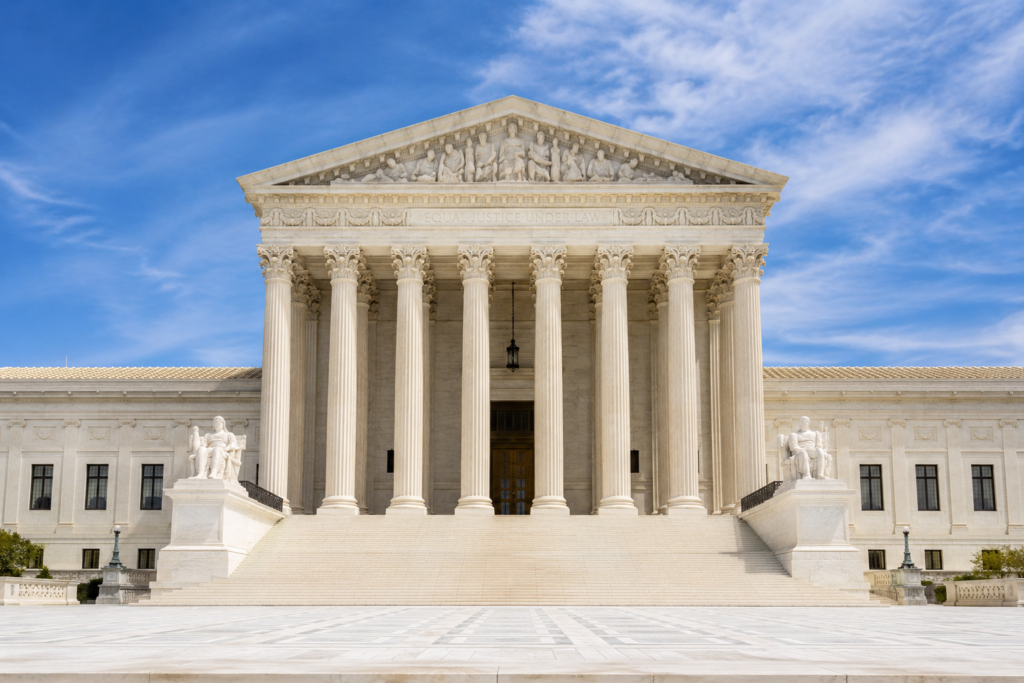
Editor’s Note: This article is the second in a two-part series examining the major immigration decisions issued by the U.S. Supreme Court during its recently completed term. If you have not already done so, you may also want to read our companion article, The Supreme Court Preserves Birthright Citizenship: What Trump v. Barbara Means for Immigrant Families, which discusses one of the Court’s most significant constitutional immigration decisions in greater detail.
If you followed immigration news over the past several months, you probably noticed that the U.S. Supreme Court seemed to issue one important immigration decision after another. Some headlines suggested major victories. Others predicted sweeping changes. Many left immigrant families wondering how these decisions might affect their own lives. That uncertainty is understandable. Immigration law has changed rapidly in recent years, and Supreme Court decisions often receive national attention. The challenge is that headlines rarely explain what a decision actually means for the average family pursuing lawful immigration. The purpose of this article is to step back from the headlines, look at the Court’s 2025–2026 term as a whole, and explain the larger themes I believe every immigrant family should understand.
What you will learn in this article:
- The main themes that emerged from the Court’s immigration decisions this term.
- Why some families are affected far more than others.
- What green card holders should know before traveling abroad.
- Where to get answers about your own situation.
Theme One: The Court Continues to Give the Executive Branch Broad Authority
One of the clearest themes this term is that the Supreme Court continues to recognize broad presidential authority over many aspects of immigration enforcement. Several decisions made it easier for the executive branch to carry out policies involving border enforcement, deportation procedures, and Temporary Protected Status (TPS). TPS is a temporary protection that lets people from certain countries live and work in the United States when it is unsafe to return home. In Mullin v. Doe, the Court allowed the government to move forward with ending TPS for Haiti and Syria and sharply limited the ability of courts to review those decisions. And in Mullin v. Al Otro Lado, the Court upheld a border policy allowing officers to turn back asylum seekers who have not yet physically crossed into the United States, effectively limiting where a person may ask for asylum.
Although each case involved different legal issues, together they show that presidential administrations continue to have substantial flexibility in how they enforce the immigration laws. In practical terms, immigration policy may keep changing significantly from one administration to the next. Families should not assume that today’s policies will still be in place several years from now.
Theme Two: Constitutional Limits Still Matter
At the same time, the Court reminded us that presidential authority is not unlimited. The best example is the Court’s birthright citizenship decision in Trump v. Barbara. As explained in our companion article, the Supreme Court held that children born in the United States remain U.S. citizens under the Fourteenth Amendment in nearly all circumstances, despite an executive order that tried to limit that protection. Whether you agree or disagree with the policy itself, the decision shows an important principle. Immigration policy can change, but constitutional guarantees cannot simply be rewritten through executive action.
A Decision Green Card Holders Should Know About
Not every important decision this term made national headlines. One that deserves attention from our clients is Blanche v. Lau, a case about lawful permanent residents—green card holders—returning from trips outside the United States. Normally, a returning green card holder is not treated as someone seeking to enter the country for the first time. That matters. A “new” applicant for admission faces a much broader list of reasons a person can be turned away, including a conviction for a “crime involving moral turpitude” (a category of crimes involving dishonesty or serious misconduct, such as fraud or theft) at any time. A green card holder who is already considered admitted faces a narrower set of rules.
In Blanche v. Lau, the Court held that a border officer does not need strong, “clear and convincing” proof at the airport before treating a returning green card holder as a new applicant for admission. It is enough that the person committed a qualifying crime—the government does not need a conviction in hand at the border. In that case, the green card holder had a criminal charge pending when he traveled, and that was enough for the officer to treat him as seeking admission.
Here is the practical takeaway. If you are a green card holder with any criminal history—including a conviction, or a pending or past charge for a crime involving dishonesty or serious misconduct—international travel now carries more risk than many people assume. It does not mean you cannot travel. It means you should talk with an immigration attorney before you leave, not after you are stopped at the airport.
Theme Three: Immigration Law Is Becoming More Dynamic
When I first began practicing immigration law, major changes usually happened gradually, through acts of Congress. Today, immigration law changes often through executive orders, agency policies, federal court cases, and Supreme Court decisions. As a result, families frequently find themselves trying to understand a legal landscape that seems to shift every few months. That reality makes individualized legal advice more important than ever. General information on the internet can become outdated quickly, especially after a major court decision.
So, Should You Be Concerned?
The honest answer is that it depends on your situation. If you are pursuing a family-based green card through a U.S. citizen spouse or parent, many of this term’s decisions may have little direct impact on your case. One caution: if you already hold a green card and plan to travel abroad, or if you are from a country affected by recent travel or processing restrictions, some of these changes may reach you after all. It is worth a quick check with an attorney. If you currently have TPS, are involved in asylum proceedings, or are facing removal from the United States, some of these decisions may be much more significant and deserve careful review with an immigration attorney. For many of my clients, the biggest lesson is not that everything has changed. It is that immigration law keeps evolving—so it is better to stay informed and build a long-term strategy than to react to every headline.
What This Means for Immigrants
One reason I write these updates is to help clients tell the difference between headlines and reality. Every major immigration decision generates dozens of articles, videos, and social media posts. Some explain the law accurately. Others create unnecessary fear or unrealistic expectations. My goal is different. I want clients to understand how a decision applies to their circumstances so they can make informed choices about their future. Sometimes a decision dramatically affects a particular group of immigrants. Other times, the real impact on most families is limited. Knowing that difference is often just as important as knowing the legal holding itself.
Looking Ahead
If this term teaches us anything, it is that immigration law will likely remain one of the most active areas of federal litigation for years to come. Future administrations will keep testing the limits of executive authority, advocacy groups will keep challenging those actions in court, and the Supreme Court will remain an important voice in defining the boundaries of our system. For immigrant families, that means one thing above all: planning matters. Waiting until a policy changes or a deadline arrives may leave fewer options than acting while opportunities still exist.
Frequently Asked Questions:
Do the 2025–2026 Supreme Court immigration decisions affect my green card application?
It depends. Many family-based green card cases are not directly changed by this term’s decisions. But if you already hold a green card and travel internationally, or you are from a country affected by recent restrictions, some decisions may apply to you. An attorney can tell you quickly which category you fall into.
Is birthright citizenship still the law in 2026?
Yes. In Trump v. Barbara, the Supreme Court held that children born in the United States remain U.S. citizens under the Fourteenth Amendment in nearly all circumstances, regardless of their parents’ immigration status. Our companion article explains this decision in detail.
Can a green card holder be denied reentry after traveling abroad?
In some cases, yes. In Blanche v. Lau (2026), the Supreme Court held that a border officer does not need “clear and convincing” evidence before treating a returning green card holder as a new applicant for admission—having committed a qualifying crime can be enough, even without a conviction yet. Green card holders with any criminal history should speak with an immigration attorney before traveling internationally.
Did the Supreme Court end Temporary Protected Status (TPS)?
Not entirely. In Mullin v. Doe (2026), the Court allowed the government to move forward with ending TPS for Haiti and Syria and limited the ability of courts to review those decisions. If you have TPS, your situation should be reviewed individually, because the impact depends on your country and your circumstances.
How can I find out how these decisions affect my family?
Because immigration law changes so often, the most reliable answer comes from an individualized review of your case. Contact our office to discuss your specific situation and options.
Key Takeaways
- The Supreme Court issued several significant immigration decisions during its 2025–2026 term.
- Many decisions reinforced broad presidential authority over immigration enforcement, including TPS (Mullin v. Doe) and asylum at the border (Mullin v. Al Otro Lado).
- The Court also reaffirmed important constitutional protections, including birthright citizenship in Trump v. Barbara.
- In Blanche v. Lau, the Court made international travel riskier for some green card holders.
- Immigration law is increasingly shaped by litigation and executive action, not just Congress.
- The impact of these decisions depends on your individual immigration situation.
Related Articles
If you found this article helpful, you may also be interested in:
- The Supreme Court Preserves Birthright Citizenship: What Trump v. Barbara Means for Immigrant Families
- What the Supreme Court’s New Border Decision Means for Families Planning Immigration to the United States
- Major Legal Update: Court Overturns USCIS “Hold and Review” Policies
- When the Past Comes Back During a Green Card Application
Schedule a Consultation
Every immigration case is different. If you have questions about how recent Supreme Court decisions or other changes in immigration law may affect your family, I invite you to schedule a consultation with my office. We’ll review your circumstances, discuss your options, and develop a strategy tailored to your goals.
Disclaimer
This article is provided for general informational purposes only and is not legal advice. Reading this article does not create an attorney-client relationship. Immigration law changes frequently, and every case is unique. Contact our office to discuss your specific situation.
About the Author
Sean D. Hummel is a Florida immigration attorney and the founder of the Law Offices of Sean D. Hummel in Deerfield Beach, Florida. His practice focuses on family-based immigration, adjustment of status, naturalization, waivers of inadmissibility, and removal defense. He represents clients throughout the United States and is committed to providing practical guidance, honest advice, and personalized legal representation.


